Category: crypto
-

Telegram wallet app enables law enforcement evidence collection
Telegram’s Wallet app now enables law enforcement to collect evidence, as stated in its updated FAQ. Requests must be verified. While the app is not directly operated by Telegram, it is undergoing regulatory changes in the UK. Additionally, Telegram is enhancing privacy policies and moderation tools in response to legal challenges.
-
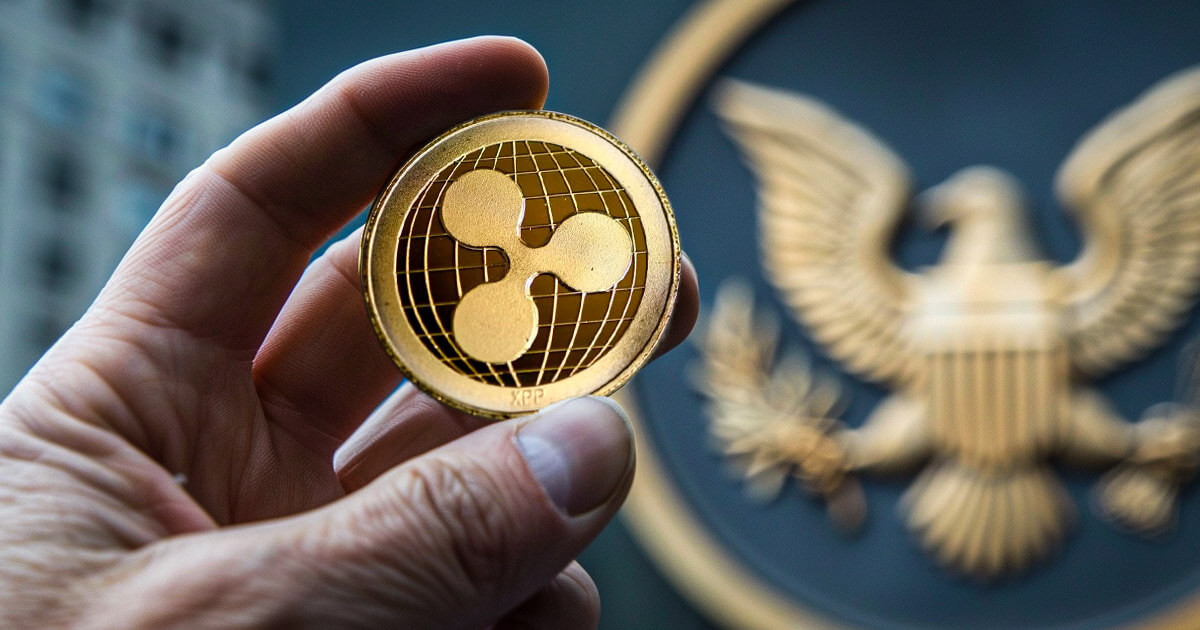
Ripple files notice for cross-appeal in ongoing SEC clash over XRP
Ripple Labs filed a cross-appeal against the SEC’s appeal, which seeks to overturn a ruling that XRP sales to retail investors are not securities violations. The appeals are now merged, extending the legal battle that began in 2020. Ripple contests a $125 million penalty and aims to end the SEC’s enforcement approach.
-
SEC charges Cumberland DRW for unregistered securities trading in $2B case
The SEC charged Cumberland DRW for allegedly operating as an unregistered securities dealer, trading over $2 billion in crypto since March 2018. The SEC seeks injunctive relief, profit disgorgement, and penalties. In response, Cumberland denied wrongdoing, stating it complies with regulations and vowing to contest the lawsuit amid ongoing discussions with regulators.
-
SEC commissioner says agency’s approach to crypto has been a ‘disaster’
SEC Commissioner Mark Uyeda criticized the agency’s crypto regulation, calling it a “disaster” that relies on enforcement without clear guidance, leading to legal inconsistencies. He highlighted the need for clearer rules as firms confront the SEC’s regulatory actions, emphasizing the industry’s frustration with the lack of clarity on securities laws.
-

Uniswap introduces Unichain, sparking a 12% surge in UNI token
Uniswap’s UNI token surged over 12% to $8.07 after announcing Unichain, an Ethereum layer-2 network. Unichain promises faster transactions, lower fees, and enhanced security for DeFi users. It aims to facilitate seamless multi-chain swaps and supports Ethereum’s scaling roadmap, highlighting the importance of multiple L2 solutions for the ecosystem’s growth.
-

Ronin embraces Chainlink’s CCIP for secure cross-chain gaming future
Ronin has integrated Chainlink’s Cross-Chain Interoperability Protocol (CCIP) to enhance its cross-chain bridge security. The transition will initially support Ethereum and Ronin, taking two to three months. CCIP was chosen for superior security and reliability, following past security challenges, including a $10 million exploit and a $600 million hack.
-

Crypto top two choice for ETF investors in latest Charles Schwab survey
A Charles Schwab study reveals 62% of Millennial ETF investors plan to invest in cryptocurrencies next year, making crypto the second most popular asset class. Millennials favor diversification and ethical investing, with 39% interested in crypto ETFs. Despite market volatility, 40% remain bullish, indicating a foundational shift towards digital assets.
-

Ripple unveils bank-grade crypto custody and RWA technology aiming for $16 trillion
Ripple Labs has enhanced its crypto custodial services by integrating bank-grade compliance features, including hardware security modules, advanced AML monitoring, and a user-friendly interface. The platform enables clients to tokenize real-world assets on the XRP Ledger and access a decentralized exchange. Ripple’s custody business has seen 250% customer growth year-over-year.
-
Mt. Gox extends creditor repayment deadline to 2025
The deadline for creditor repayments from the collapsed Japanese crypto exchange Mt. Gox has been extended to October 31, 2025. Trustee Nobuaki Kobayashi cited the need to accommodate all creditors, as many have faced issues during the repayment process. Significant repayments have been completed for those without complications.
-

FBI’s token sting operation faces copyright controversy over MIT license misuse
On Oct. 9, the FBI launched the NexFundAI crypto token to target market manipulators but faced criticism over potential copyright violations related to its smart contract. Analysts flagged unauthorized use of OpenZeppelin libraries and criticized exposed FBI wallets, which could jeopardize ongoing investigations into fraudulent crypto trading.