Category: crypto
-
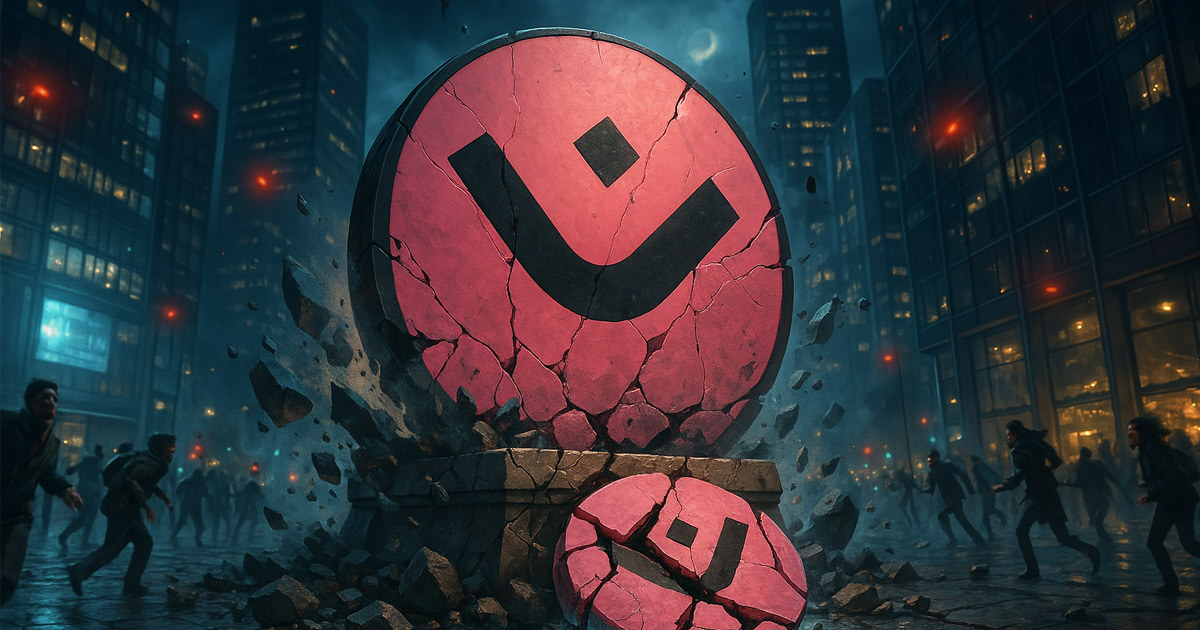
ZachXBT identifies key figures tied to Mantra’s 90% OM token crash
Blockchain investigator ZachXBT has identified Reef Finance founder Denko Mancheski and X user Fukugo Ryōshu as potentially linked to the 90% crash of Mantra’s OM token on April 13. The two individuals allegedly requested massive loans against their OM holdings before the crash. Other large investors also moved significant amounts of OM tokens to exchanges…
-
Tether sees 13% user growth amid global volatility, plans US expansion
Tether CEO Paolo Ardoino announced a 13% increase in USDT users in the first quarter of 2025, reaching a global user base of around 400 million. Tether’s stablecoin is popular in emerging markets like Argentina, Brazil, and Nigeria, providing a digital dollar alternative to unstable national currencies. Tether is planning to launch a US-based stablecoin…
-

Investors pull $795 million from crypto ETPs, XRP continues to buck trend with inflows
The digital asset market saw $795 million in outflows across crypto investment products last week, marking the third consecutive week of declines. Investor caution is growing due to global economic uncertainties, particularly renewed tariff tensions between the US and China. Bitcoin experienced the largest outflows, while XRP continued to attract capital.
-

Ethereum co-founder Vitalik Buterin calls for stronger privacy protections amid AI centralization concerns
Ethereum co-founder Vitalik Buterin emphasizes the importance of privacy in emerging crypto and AI technologies. He believes privacy is essential for decentralization, innovation, and freedom. Buterin warns of data centralization and the potential misuse of personal information by AI-driven systems. He suggests using cryptographic tools to protect user data while maintaining functionality and trust.
-
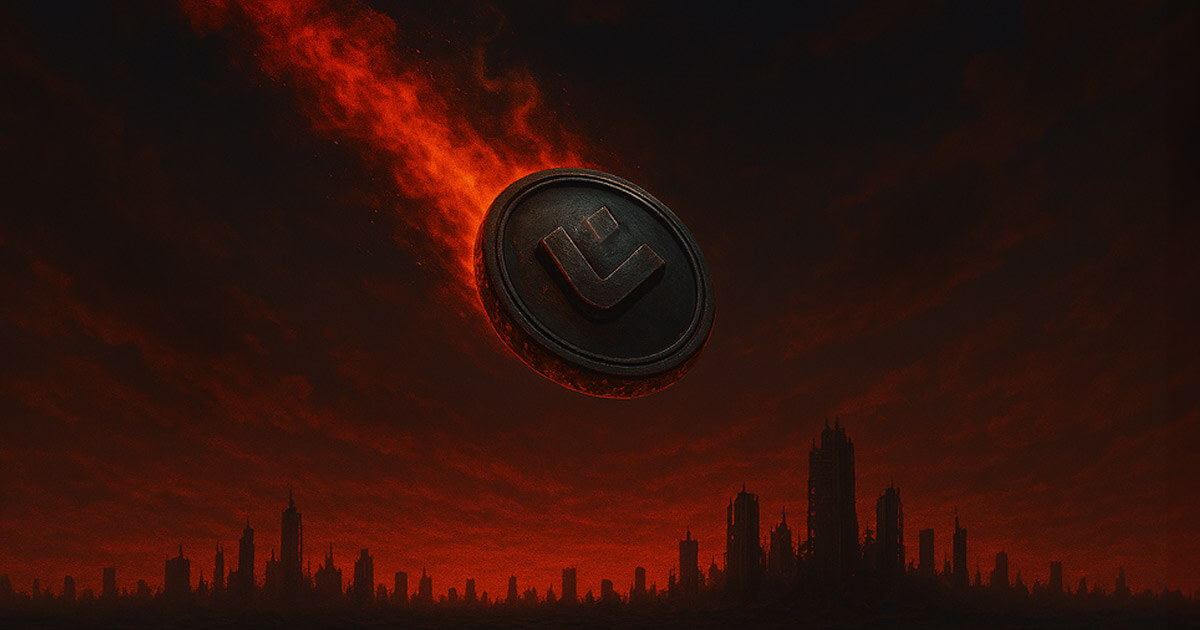
OM token crashes over 90%, Mantra blames centralized exchanges
The OM token on the Mantra blockchain plummeted from $6.30 to below $0.50 on April 13, losing over $5 billion in market capitalization. Speculation arose about insider activity or a hack causing the crash. Mantra co-founder attributed it to forced liquidations by centralized exchanges, denying involvement from the team or investors.
-

Mantra’s OM token crash saw 7,000% surge in derivatives trading amid market chaos
The collapse of MANTRA’s OM token caused a surge in derivatives trading volume by 7,000% in just 24 hours, reaching over $6 billion. Binance and Bybit were key players in this spike. The drop in OM’s market cap to $500 million led to $76 million in liquidations. OKX and Binance faced scrutiny for their roles…
-

US imports crater 64%, exports 30% as trade war opens path to Hyper Bitcoinization
US container booking data shows a significant decrease in trade volumes post US-led global trade war. Total US import bookings fell 64% in the week after March 31, with imports from China and exports to China dropping by similar amounts. The data indicates systemic stress in the supply chain, with a shift in market dynamics…
-

Are DOGE’s cuts are sabotaging America’s AI edge?
Ahmad Shadid, Founder of O.xyz, criticizes the Department of Government Efficiency (DOGE) for cutting jobs under the pretext of efficiency. DOGE is using AI to monitor federal employees, violating privacy laws. The cuts are impacting critical areas like AI and semiconductor development. Lack of transparency and oversight raises concerns about data privacy and accountability. The…
-
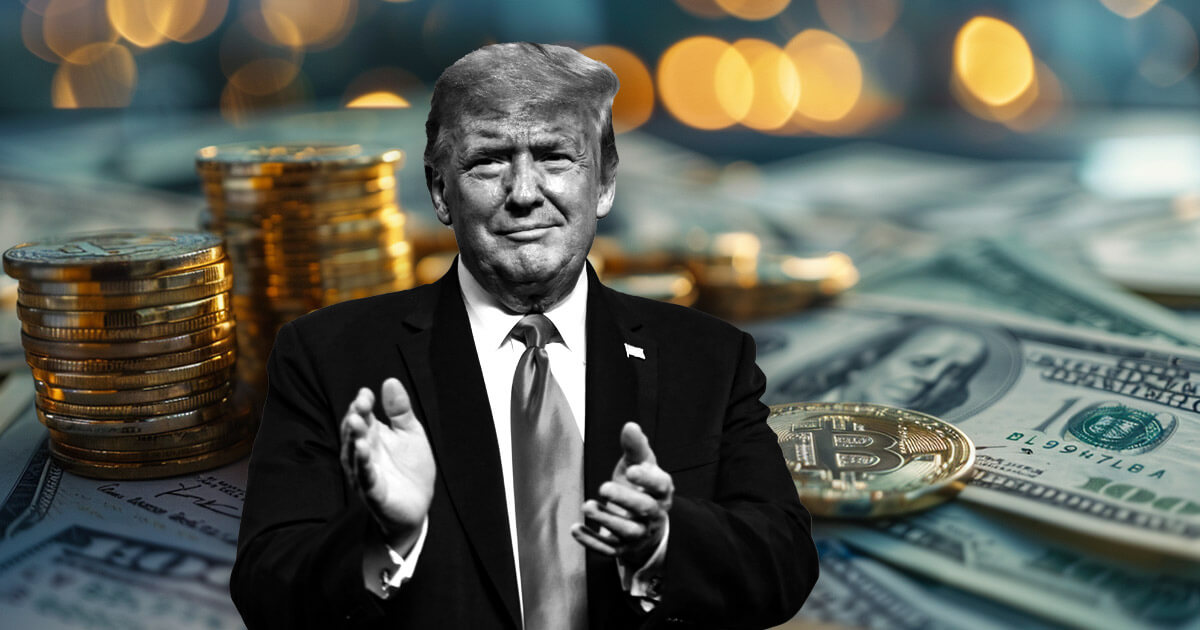
Crypto markets slightly rebound as Trump excludes smartphones, laptops, semiconductor machines from reciprocal tariffs
The U.S. updated tariff guidelines exempting certain technology devices from reciprocal tariffs, including laptops, smartphones, and semiconductors. China criticized the U.S. tariffs and called for mutual respect and dialogue. Apple benefited from exemptions, but still faces challenges due to its reliance on China for manufacturing. Critics of Trump’s tariff policies remain vocal. Bitcoin market reacted…
-
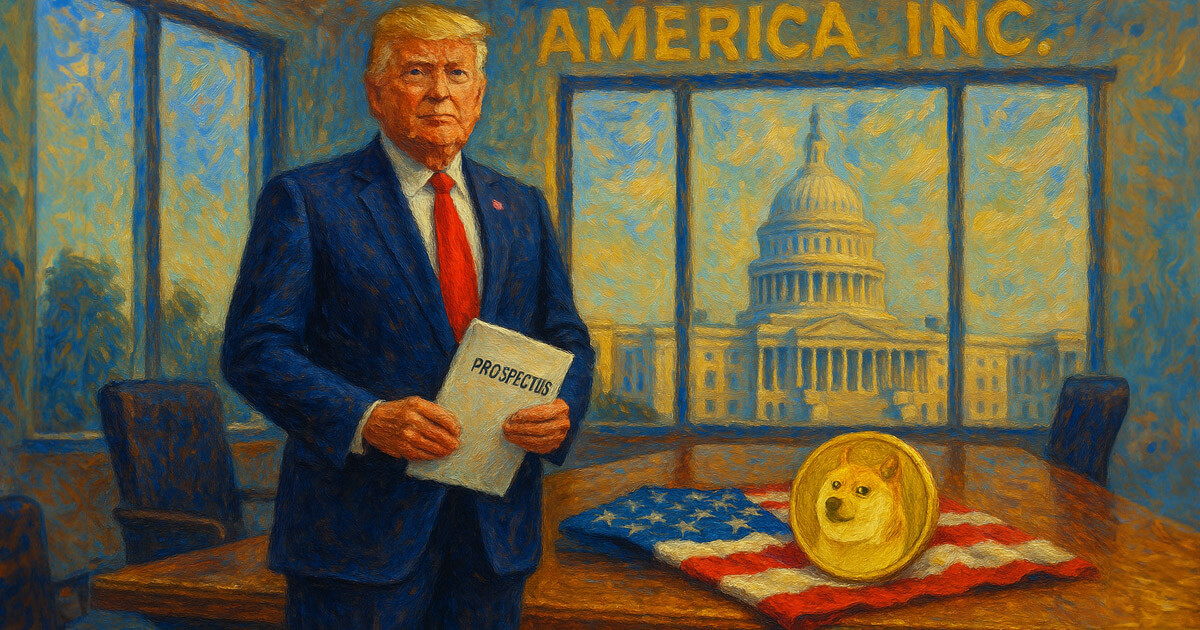
The hostile takeover of America Incorporated
Adrian Brink, founder of Namada, discusses how Donald Trump’s second term agenda resembles a private equity playbook, focusing on leveraging the US as a conglomerate. Trump is purging leadership, slashing costs, and using tariffs as a revenue tool to reshape America Inc. The administration aims to relist America by the midterms in 2026 through deficit-funded…