Category: crypto
-

Dogecoin faces make-or-break test at MA350 support after October flash crash
Dogecoin is currently consolidating near key support, with analysts divided between a potential parabolic rally based on past cycles and a deeper bear phase if the MA350 support is broken. Bulls believe in a repeat of previous cycles leading to new highs, while bears warn of a second bear cycle if support is broken.
-

Bitcoin short-term holders need liquidity reset as 22% of BTC supply sits in loss
Bitcoin’s next uptrend depends on increasing liquidity, with Glassnode suggesting that BTC’s profit/loss ratio must exceed 5, as 22% of the supply is at a loss. Historical data shows that sustained price recoveries occur when the ratio is above 5, indicating strong capital inflows. Selling pressure is limited, with most investors holding onto their Bitcoin.
-

BlackRock flags bond risk as investors eye BTC, ETH and SOL for portfolio defense
BlackRock warns that long-term government bonds are no longer a reliable safe haven, prompting investors to consider Bitcoin, Ethereum, and Solana as alternative risk plays. The firm highlights the vulnerability of long-dated sovereign bonds to policy shocks and deficits, suggesting a shift away from traditional 60/40 portfolios towards cryptocurrencies.
-

Silver traders face make-or-break test at $115–$120 an ounce, where does crypto stand?
Silver’s price surge to $119 an ounce has triggered bubble warnings and structural deficit considerations. Citigroup predicts a push to $150 due to supply deficits and high demand. Crypto traders are monitoring silver’s spike for insights into market dynamics. Some see a bubble, while others believe in continued price increases.
-

Nokia chief warns West faces self‑inflicted tech cold war, what does it mean for crypto?
Nokia’s CEO warns against a tech cold war as EU restricts Chinese 5G. The West’s tech markets are codependent, and splitting them would hurt scale. Brussels plans to phase out high-risk vendors like Huawei, while Bitcoin and Ethereum react to geopolitical fragmentation. Open networks bypass physical infrastructure limitations.
-

Bybit to launch retail banking services with IBAN accounts in February
Bybit will launch retail banking services in February, providing users with personal IBAN accounts to manage fiat funds and convert balances to crypto. The exchange is also exploring entry into the U.S. market and a potential public listing. Additionally, Bybit plans to launch a custody product for institutional clients.
-

Ethereum wallets face walkaway test as Vitalik flags UX failures
Vitalik Buterin used Etherscan to check his multisig without the Safe app, highlighting the importance of open infrastructure. He warns that privacy may break this pattern and suggests solutions like viewing keys. Experimental tools are emerging as spot ETH ETFs increase flows, emphasizing the risk of bad wallet design in the market.
-
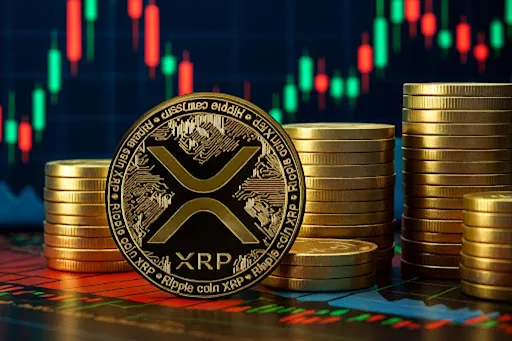
XRP traders face make-or-break test as spot ETF inflows near $7m
XRP spot ETFs received $6.95 million in a day, increasing assets to $1.39 billion and reducing circulating supply. The high demand for ETFs is tightening the grip on the token’s float. Despite warnings of on-chain selling offsetting ETF demand, XRP, Bitcoin, and Ethereum continue to trade in a macro-driven risk environment.
-
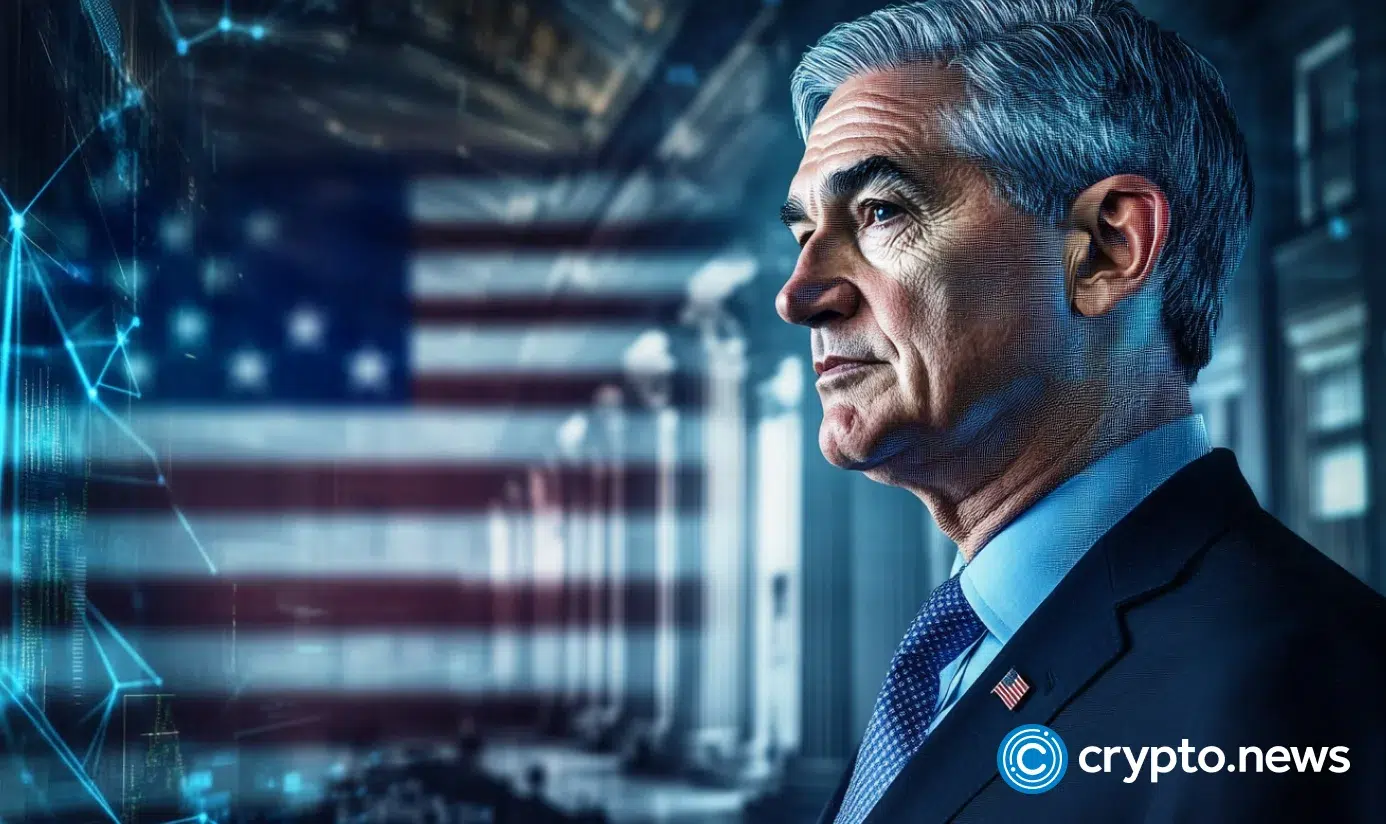
Fed pause puts Trump–Powell showdown at center of crypto macro trade
The Federal Reserve keeps interest rates around 3.6% despite Trump’s calls for deeper cuts, highlighting tensions between the White House and the central bank. Powell faces scrutiny over a headquarters renovation and Trump’s attempt to fire a governor. Bitcoin, Ethereum, and Solana trade as indicators of macro risk amid political and economic uncertainties.
-

Direct traffic accounts for 44% of US crypto media visits
In the fourth quarter of 2025, U.S. crypto media visits dropped by about one-third, coinciding with a market downturn and Bitcoin not reaching $150,000. Direct traffic accounted for almost half of visitors, showing that loyal readers remained while casual readers disappeared. Direct traffic became crucial for publishers as other channels weakened.