Category: crypto
-

Citi cuts Bitcoin and Ether targets as ETF outflows deepen
Citi lowered its 12-month Bitcoin target to $82,000 and Ether forecast to $2,240 due to negative ETF flows and slow U.S. crypto legislation. ETF demand weakened across crypto markets, with Bitcoin ETF flows down $3.3 billion. Delays in U.S. legislation and concerns about treasury-company selling also impacted Citi’s outlook.
-

Visa, Mastercard join 140 businesses to launch Open USD stablecoin
Visa, Mastercard, Coinbase, and over 140 businesses have launched Open Standard, a stablecoin consortium planning to release a U.S. dollar pegged token called Open USD later this year. The initiative aims to make stablecoin use easier for businesses by offering a network that is open, low-cost, and built for high transaction volumes.
-

South Korea FSC refers crypto whale case to prosecutors
South Korea’s financial watchdog has referred two suspected cases of cryptocurrency market manipulation to prosecutors. One case involves a whale manipulating the price of a token on both domestic and overseas exchanges, while the other case involves ultra-short-term manipulation of a “kimchi coin.” The FSC warned investors against chasing tokens with sudden price spikes.
-

Ouinex says its trading platform addresses structural flaws in crypto markets
Ouinex is a platform aiming to shield retail crypto traders from predatory manipulation by separating retail orders from institutional liquidity providers. The platform also offers traditional financial instruments with leverage up to 500x. Excluding venture capital allocations, Ouinex uses a trading-based incentive model for its native token, OUIX.
-

LINE NEXT unveils Unifi Pay for zero-fee stablecoin payments
LINE NEXT has opened developer pre-registration for Unifi Pay, a payment infrastructure that will support USDT, JPYC, and IDRP through its Unifi stablecoin wallet. The service offers zero payment fees, fast settlement, and an SDK for easy integration. It plans to launch globally after a successful beta phase.
-

Venga secures MiCA license as Europe’s crypto market faces regulatory reset
Venga receives MiCA license from Spain’s CNMV, allowing it to operate under the EU’s new regulatory framework. The company had to meet governance, security, reporting, and customer protection standards. Only 194 firms had MiCA approval by May 2026. Venga aims to provide regulated crypto services in Spain, Catalan, and English.
-

Winklevoss twins move $67M in Bitcoin as Arkham flags selloff signal
The Winklevoss twins transferred $67 million worth of Bitcoin and Ethereum to Gemini wallets, matching their selling pattern, according to Arkham Intelligence. Bitcoin faces pressure as Citigroup lowers price targets, while Ethereum holds near support despite treasury purchases. The twins have made $1.7 billion from Bitcoin and still hold over $300 million.
-
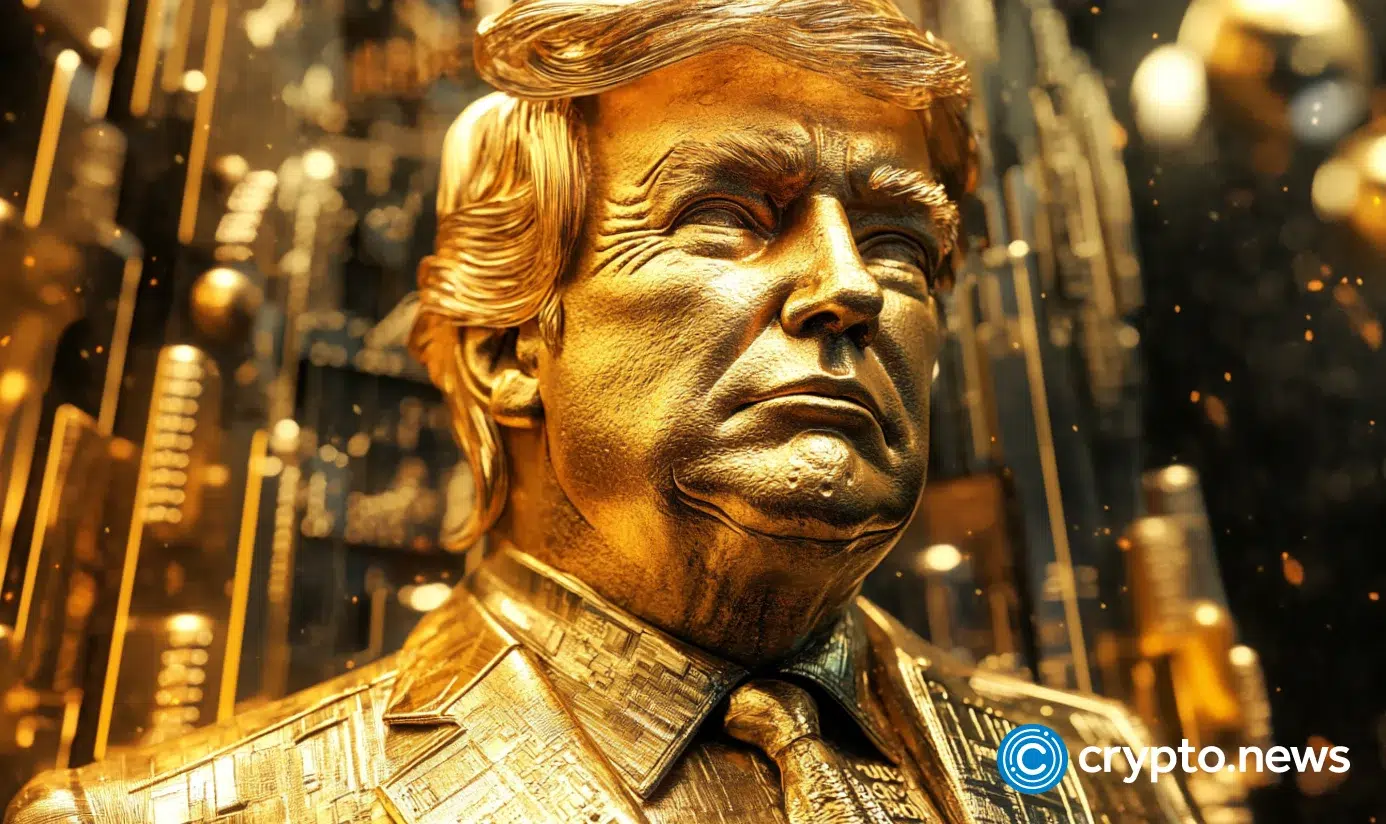
Trump defends $1.4B crypto windfall as CLARITY Act odds slide
President Trump defended his investment gains of at least $1.4 billion from crypto ventures, attributing them to stock market performance. Odds of the CLARITY Act passing have fallen to 39%. Democrats like Elizabeth Warren criticize Trump’s crypto business interests, calling for safeguards to prevent him from profiting while digital asset policy is debated in Congress.
-
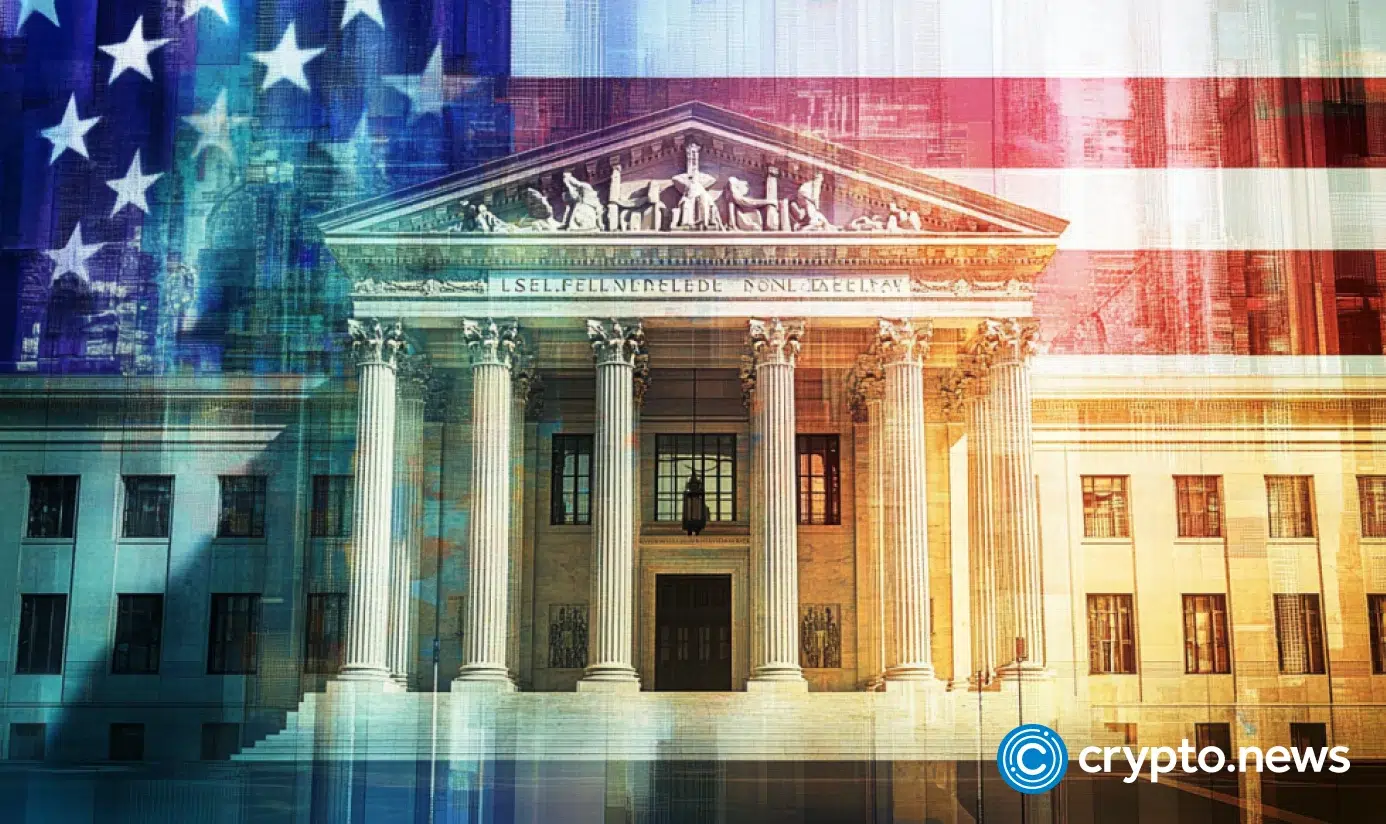
Kevin Warsh sidesteps rate path as Bitcoin jumps above $60K
Bitcoin has risen above $60,000 after Federal Reserve Chair Kevin Warsh did not indicate future interest rate decisions during an ECB policy discussion. Market still expect rates to remain unchanged in July and there is a chance of a 2026 rate hike. Warsh also addressed inflation concerns and the Federal Reserve’s commitment to returning inflation…
-
Tether abandons Europe as MiCA ban wipes USDT from exchanges
EU’s MiCA transition has removed Tether’s USDT from regulated crypto exchanges, as Tether chose not to seek authorization. Circle’s USDC and EURC now dominate MiCA-compliant stablecoins on licensed EU platforms. Tether remains active through partners using Hadron, adjusting to regional regulations while facing challenges due to reserve requirements.