Category: crypto
-

Reed Smith launches MiCA compliance platform for crypto firms
Reed Smith has launched an automated platform, Aquarius, to help crypto firms comply with the EU’s MiCA regulation. As the EU shifts to regulatory supervision, the platform simplifies compliance tasks like asset classification and due diligence. Regulators are focusing on operational controls, while discussions are ongoing about potential changes to the MiCA framework.
-

SBI Digital Finance taps Doppler to expand XRP lending in Japan
Doppler Finance and SBI Digital Finance have partnered to create institutional XRP infrastructure in Japan, focusing on lending, liquidity, collateral management, and tokenized assets. The agreement aims to provide professional market participants with regulated solutions for digital assets, expanding SBI’s broader crypto strategy in Japan. Launch details are pending.
-

Ark Invest doubles down on SpaceX with $52m weekly buying spree
Ark Invest increased its exposure to SpaceX with purchases worth $52.1 million, while cutting positions in semiconductor, streaming, and genomics companies. The firm added to positions in Coinbase, Circle, and AI and healthcare companies. Ark continues to buy SpaceX shares after earlier purchases during the stock’s decline.
-

Robinhood Chain generates $843K, pays Ethereum just $1.6K
Robinhood Chain’s $843,000 in fees has sparked a debate on how much value Ethereum captures from Layer 2 networks. Critics argue that the revenue gap weakens Ethereum’s value capture, while supporters believe tokenized stocks could bring new users to Ethereum-based financial markets. The fee split between Robinhood, Arbitrum, and Ethereum has renewed discussion on Ethereum’s…
-

JCB and Circle begin USDC pilot for business and retail payments
JCB has partnered with Circle to test USDC for internal treasury transfers and merchant payments in Japan. The pilot program will focus on internal fund transfers before expanding to retail payments. Circle recently received a U.S. trust bank approval, expanding its presence in Asia. Other financial institutions are also exploring stablecoin usage.
-
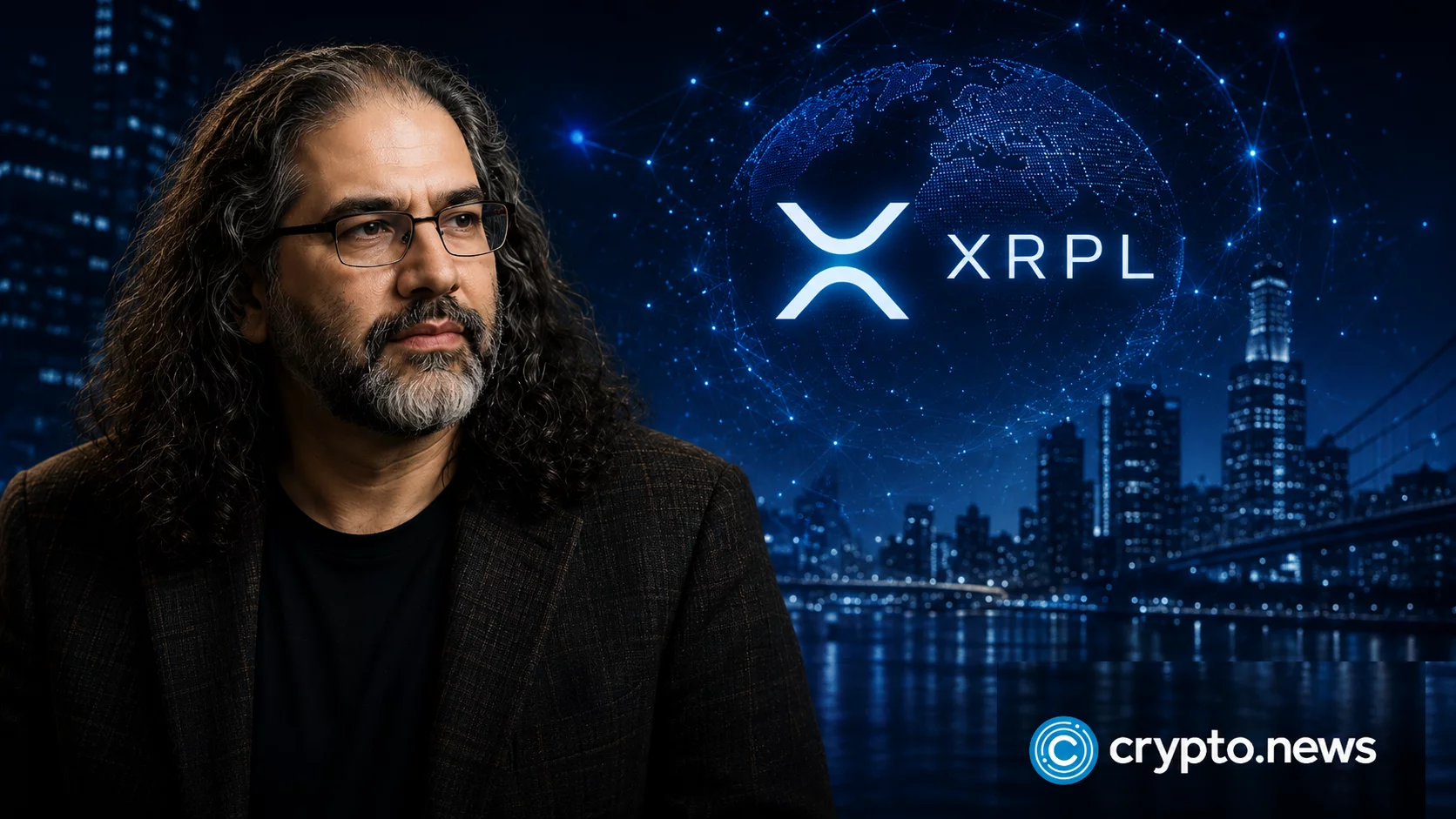
SEC called XRP a security, Ripple’s David Schwartz says
Ripple CTO David Schwartz challenges claims that the SEC focused only on Ripple’s XRP sales, arguing that the SEC portrayed XRP itself as a security during litigation. The court ultimately separated XRP tokens from transactions, rejecting programmatic sales while penalizing institutional deals. The SEC complaint used broad language around XRP, and the final judgment kept…
-
Cumberland secures Singapore MPI licence for crypto payment services
Cumberland’s Singapore unit has obtained a Major Payment Institution license from MAS, allowing it to offer regulated digital payment token and cross-border money transfer services. This approval completes the licensing process that began in March. MAS continues to enforce regulatory standards for compliant crypto firms, revoking licenses for those that fail to meet requirements.
-
Upbit lists Derive (DRV) with KRW, BTC and USDT trading pairs
Upbit will list Derive’s DRV token on its KRW, BTC, and USDT markets on July 14, expanding access across South Korea. Derive migrated LYRA holders to DRV and operates an onchain options exchange. The total supply is 1.5 billion DRV. Trading opens at 17:00 Korea Standard Time, with Ethereum network deposits and withdrawals.
-

Confirmo launches stablecoin subscription payments for enterprise billing
Confirmo has launched a stablecoin subscription payment service called Subscribe, supporting automated recurring billing across more than 700 self-custody wallets and exchange accounts. The service allows businesses to automate stablecoin payments, with plans priced in US dollars to limit exposure to digital asset price changes. Subscribe supports USDC and USDG on Solana and Polygon.
-

Solo Bitcoin miner earns $200K block reward with $150 Bitaxe
A solo Bitcoin miner used a Bitaxe device to mine Bitcoin block 957,382 and earned 3.1382 BTC, worth around $200,000. This successful solo mining event was achieved with a low-power Bitaxe device that found the block on Public Pool. This highlights the possibility for small operators to compete for significant rewards in Bitcoin mining.